 Ask Alto
LEARN · 24 HOURS
Samaritans
Samaritans
Here because some of these subjects reach further than a written exercise should.
Find out more ↗
Was this useful?
Tool 34 · Develop yourself
A guided 18 to 22 minutes conversation, here in TAIU. This exercise does not diagnose anything, does not treat solitude as a symptom and does not end with a suggestion that you join something.
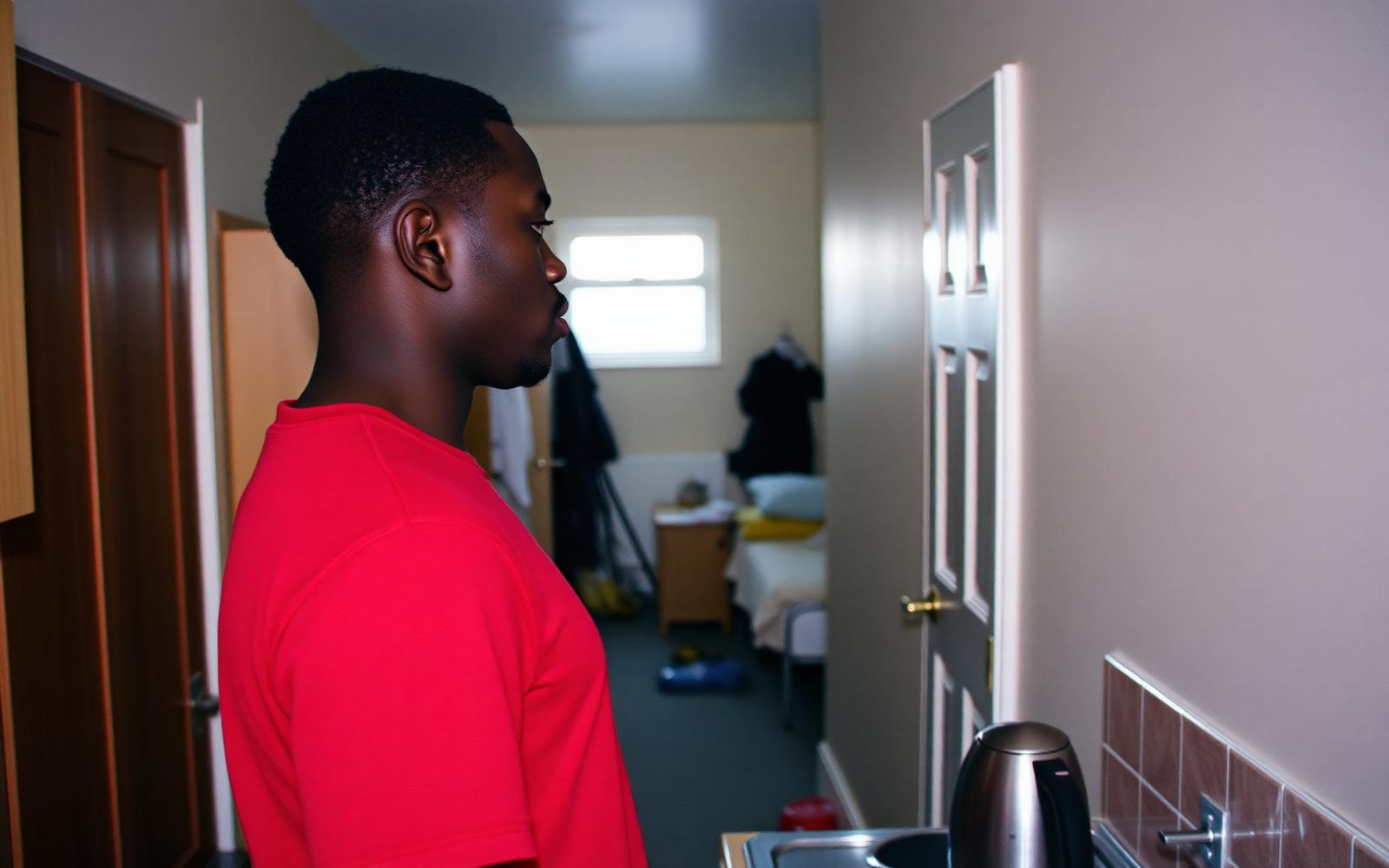
They look alike from the inside. But nothing about the answer is the same.
You can be surrounded by people and entirely unknown to all of them.
What you'll look at
A note from Mark

The most common mistake with this one is arithmetic. People count the humans around them, find the number respectable and conclude they have no right to feel what they are feeling. The number was never the point.
What I would look at instead is whether anybody currently knows what is going on with you. Not the headline. The actual thing. Plenty of people are surrounded and entirely unknown. That is a specific gap with a specific remedy. The remedy is not more invitations.
I would also be careful about time alone. A lot of people are perfectly content on their own. They have simply been persuaded that this is a problem. It is not.
And if the answer comes out as not lonely, take it. There is no prize for finding something wrong.
What you'll get
01
What you have
02
What you want
03
The shape of the gap
04
What it does not mean
+
Your TAIU handover: a summary of what the conversation found, written so you can take it with you.
When you finish
Your tree is where TAIU keeps a picture of your whole life, in parts like work, money and health.
This session works on the whole of you, not one part of your life. Nothing is scored. At the end, you are asked once which part of your life this touched most. You can answer none.
The conversation writes this summary for you. Keep the sheet, print it or paste it into My Tree. Nothing from the conversation is stored by TAIU.
What now?
01 · Save it
What connection you actually have.
02 · Test it
Tell one person something current rather than something safe.
What I would do
Separate being alone from being lonely before anything else.
Ask what is missing rather than how much of it is missing.
Date it. A gap that opened after a move is a different object.
Take seriously the possibility that the answer is one relationship, not more people.
Allow not lonely as a real conclusion.
Test it
Is the missing thing company, or being known?
Would more invitations actually change anything?
When did you last say something true out loud to somebody?
The alternative
The expected conclusion is that you need more people. Frequently the evidence says otherwise. You may not need more people at all: you may need one relationship in which you can be more known, which is a much smaller and much harder thing. You may genuinely enjoy a great deal of solitude and be judging it against somebody else's idea of a healthy social life. Or the feeling may belong to a transition rather than to your life, in which case the right response is time and one or two specific relationships, not a strategy.
Think about this
Take this to Ask Mark
This looks at what you found and helps you understand it. It is not another exercise to repeat.
Take this to Ask Mark →LEARN · 24 HOURS
Samaritans
Here because some of these subjects reach further than a written exercise should.
READ · BOOK
John Cacioppo
Cacioppo treats loneliness as a signal rather than a defect, in the way hunger is a signal. That reframing changes what you do about it.
READ · BOOK
Robert Weiss
Weiss separated social loneliness, having too few people, from emotional loneliness, having nobody who knows you. It is the distinction most people are missing.
What helped you?
If you've read, watched, listened to or tried something that helped you think about this differently, we'd like to hear about it.
We review recommendations before sharing them with the community.
Finished the exercise?
Tell us whether it helped and what you discovered. It takes less than a minute.

Next tool
If you want the map before the feeling
Further thinking
Loneliness: The Experience of Emotional and Social Isolation
Robert Weiss
Loneliness: Human Nature and the Need for Social Connection
John Cacioppo
Socioemotional Selectivity Theory
Laura Carstensen
Book
Robert Weiss
Weiss separated social loneliness, having too few people, from emotional loneliness, having nobody who knows you. It is the distinction most people are missing.
Book
John Cacioppo
Cacioppo treats loneliness as a signal rather than a defect, in the way hunger is a signal. That reframing changes what you do about it.
Article
Laura Carstensen
Why the relationships and goals we prioritise change as our sense of time changes. The finding worth having is that this tracks how much time a person believes is left rather than how old they are, which is why a shortened horizon at thirty produces the same narrowing as one at seventy.
Book
Vivek Murthy
Loneliness isn't always about physically being alone. People can be surrounded by colleagues, family or social activity and still lack relationships in which they feel genuinely known.