 Ask Alto
TRY · 10 MIN
Where My Time Is Going
TAIU
An honest look at where the weeks are currently spent.
Try it →
Was this useful?
Tool 69 · Develop yourself
A guided 16 to 20 minutes conversation, here in TAIU. What you are putting off, and whether any of it should move.
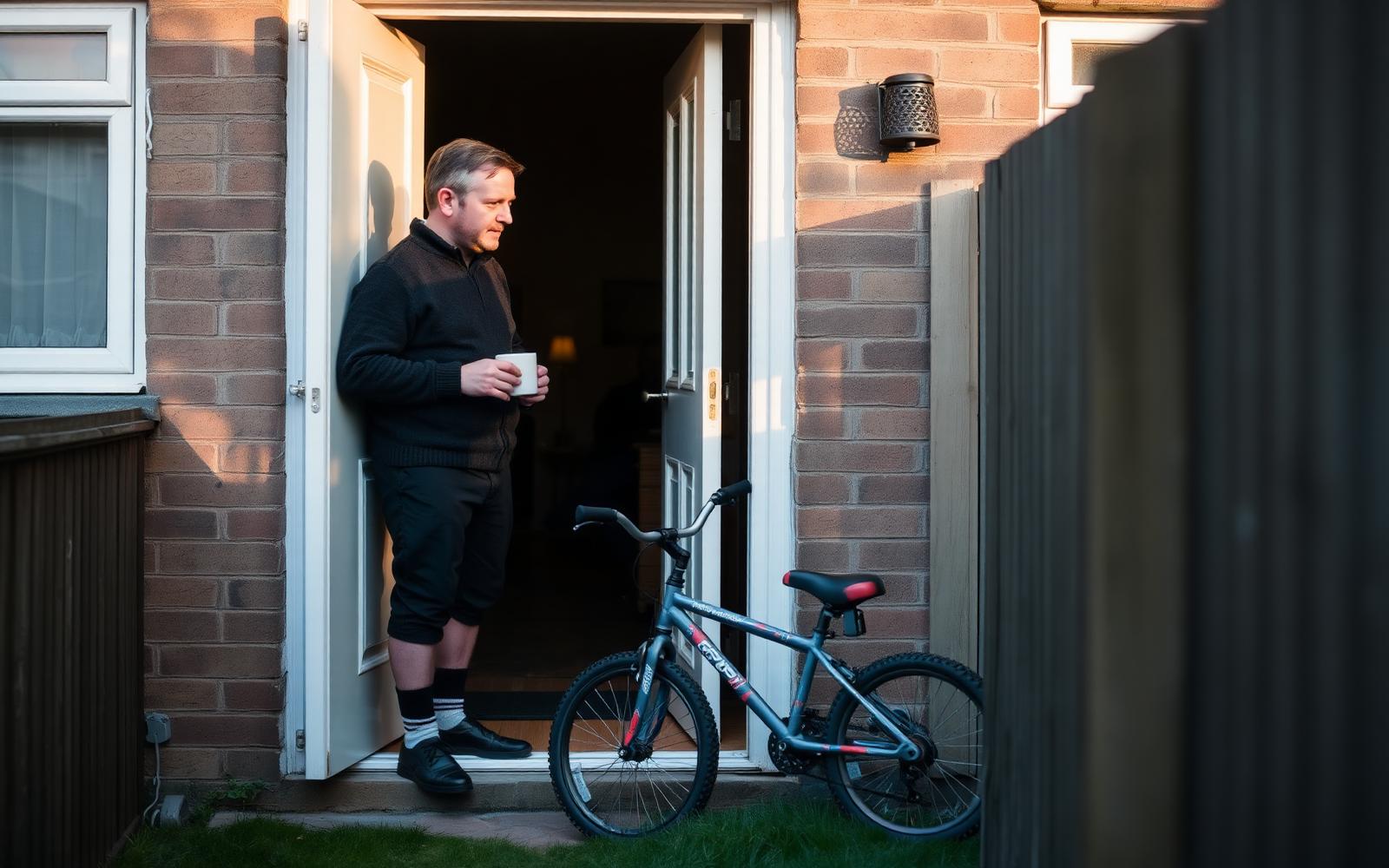
If it is not, the waiting is a decision you have never said out loud.
Some things are genuinely worth leaving undone.
What you'll look at
A note from Mark

I don't think much about dying. I do think about time.
My son is growing up quickly. My parents are getting older. Certain things I assumed I'd get round to have quietly moved from later to probably not.
I'm not interested in the version of this that tells you to quit your job and go travelling.
I'm interested in the smaller question. What are you putting off, and is the reason you're putting it off still true?
What you'll get
01
What is postponed
02
The real reason
03
What to bring forward
04
What to leave
+
Your TAIU handover: a summary of what the conversation found, written so you can take it with you.
When you finish
Your tree is where TAIU keeps a picture of your whole life, in parts like work, money and health.
This session works on the whole of you, not one part of your life. Nothing is scored. At the end, you are asked once which part of your life this touched most. You can answer none.
The conversation writes this summary for you. Keep the sheet, print it or paste it into My Tree. Nothing from the conversation is stored by TAIU.
What now?
01 · Save it
What you are postponing.
02 · Test it
Put a date on the one thing, however small the first step is.
What I would do
Separate what is waiting for a real reason from what is waiting for nothing.
Ask about regret over things not done, rather than things not achieved.
Keep the list to three at most.
Say plainly what you are happy to leave.
Move one thing, or nothing.
Test it
Is the thing you are waiting for actually going to arrive?
What would you regret not having done, rather than not having achieved?
What are you content to leave undone?
The alternative
Postponement usually gets read as avoidance, and often it is not. Plenty of things are waiting for money, for a child to finish school, for a business to steady, and those are reasons rather than excuses. The test is whether the thing being waited for is actually going to arrive. Where the answer is no, the waiting is a decision that has never been made out loud.
Think about this
Take this to Ask Mark
This looks at what you found and helps you understand it. It is not another exercise to repeat.
Take this to Ask Mark →TRY · 10 MIN
TAIU
An honest look at where the weeks are currently spent.
What helped you?
If you've read, watched, listened to or tried something that helped you think about this differently, we'd like to hear about it.
We review recommendations before sharing them with the community.
Finished the exercise?
Tell us whether it helped and what you discovered. It takes less than a minute.

Further thinking
Socioemotional Selectivity Theory
Laura Carstensen
The experience of regret: what, when and why
Thomas Gilovich and Victoria Medvec
Being Mortal
Atul Gawande
Article
Laura Carstensen
Why the relationships and goals we prioritise change as our sense of time changes. The finding worth having is that this tracks how much time a person believes is left rather than how old they are, which is why a shortened horizon at thirty produces the same narrowing as one at seventy.
Article
Thomas Gilovich and Victoria Medvec
Their finding is that regret over things we did fades, while regret over things we did not do tends to grow and to become more abstract as it does. Read it carefully though. The same abstraction is why inaction regret is easy to romanticise: the road not taken never has to survive contact with reality. Both halves of that are useful when deciding whether a want is worth acting on.
Book
Atul Gawande
Gawande on what people actually want at the end of life, which is usually not what their families are organising for them. Difficult and clarifying.
Book
William Bridges
Bridges separates change, which is the external event, from transition, which is the slower internal business of letting go of who you were while it happens. His most useful claim is that the empty middle stretch is not a failure to move on. It is the part of the process where the next thing actually gets worked out, and rushing it usually produces a decision you reverse later.