 Ask Alto
LEARN · SUPPORT
Grief support and helpline
Cruse Bereavement Support
If you want to talk to somebody who does this every day, this is the first place to look.
Find out more ↗
Was this useful?
Tool 68 · Develop yourself
A guided as long as you need conversation, here in TAIU. Space and language for a loss, without a process to complete.
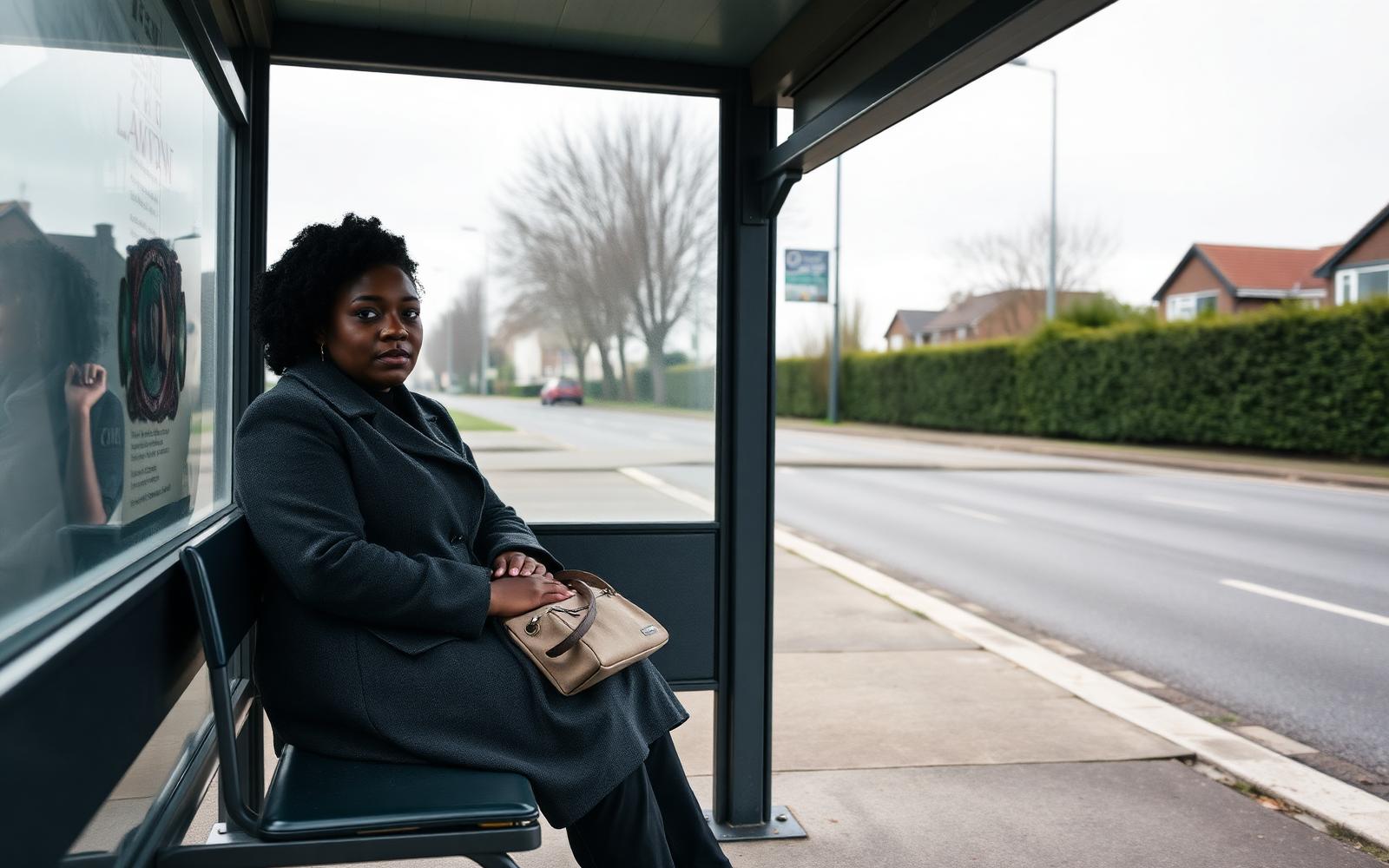
There is no timetable and nothing to complete.
Saying it out loud is enough for one session.
What you'll look at
A note from Mark

I am not going to pretend I can help with this in the way a person who knows you can.
What I do know is that grief tends to get tidied away. Other people find it uncomfortable. Life carries on demanding things of you.
This session is not here to move you through anything.
It is here so that what you are carrying gets said. It is here so that somebody real hears it too.
What you'll get
01
What you are carrying
02
What is hardest
03
What is still here
04
Who to speak to
+
Your TAIU handover: a summary of what the conversation found, written so you can take it with you.
When you finish
Your tree is where TAIU keeps a picture of your whole life, in parts like work, money and health.
This session works on the whole of you, not one part of your life. Nothing is scored. At the end, you are asked once which part of your life this touched most. You can answer none.
The conversation writes this summary for you. Keep the sheet, print it or paste it into My Tree. Nothing from the conversation is stored by TAIU.
What now?
01 · Save it
What you are carrying, in your own words.
02 · Test it
Tell one more person than currently knows.
What I would do
Say it out loud to somebody, in whatever form you can manage.
Let the ordinary moments be as hard as they are.
Keep what is still here rather than trying to put it away.
Tell one more person than currently knows.
Expect nothing of yourself on a timetable.
Test it
Who already knows how you are doing?
What is still here?
What is already helping, even slightly?
The alternative
The common assumption is that a calm account means somebody is avoiding it. Often it does not. Most people are more resilient after a loss than the culture expects, and an unremarkable account can simply be an accurate one. The opposite assumption is equally worth resisting. Somebody who is functioning perfectly well at work may be finding the ordinary domestic hours very hard indeed.
Think about this
Take this to Ask Mark
This looks at what you found and helps you understand it. It is not another exercise to repeat.
Take this to Ask Mark →There is no right amount of this to read. These are here if you want them.
LEARN · SUPPORT
Cruse Bereavement Support
If you want to talk to somebody who does this every day, this is the first place to look.
READ · GUIDE
Marie Curie
Steady, practical and written for people who are currently managing a great deal at once.
LEARN · 24 HOURS
Samaritans
Here because some of these subjects reach further than a written exercise should.
Something helped you?
If a book, conversation or resource genuinely helped you through this, you can recommend it for somebody else.
We review recommendations before sharing them with the community.
Finished the exercise?
Tell us whether it helped and what you discovered. It takes less than a minute.

Further thinking
The Dual Process Model of Coping with Bereavement
Margaret Stroebe and Henk Schut
Continuing Bonds: New Understandings of Grief
Dennis Klass, Phyllis Silverman and Steven Nickman
The Other Side of Sadness
George Bonanno
Article
Margaret Stroebe and Henk Schut
Describes grief as oscillation between facing the loss and getting on with life, rather than as a sequence of stages. It is the reason this session never asks anybody where they are up to.
Book
Dennis Klass, Phyllis Silverman and Steven Nickman
The collection that replaced the idea of letting go with the idea of an enduring relationship that changes form. It removes the pressure to reach closure.
Book
George Bonanno
Bonanno's data shows that resilience is the most common response to loss, and that prescribed emotional processing can sometimes make things worse. It is a corrective to the assumption that an unremarkable account of a difficult event must be avoidance, and it is the reason nobody should be pushed to describe the worst part.