 Ask Alto
TRY · 12 MIN
Failure Post-Mortem
TAIU
What happened, what was decided and what was only visible afterwards.
Try it →
Was this useful?
Tool 67 · Develop yourself
A guided 18 to 22 minutes conversation, here in TAIU. A post-mortem that separates the decision from the outcome. It does not require you to be grateful for any of it.
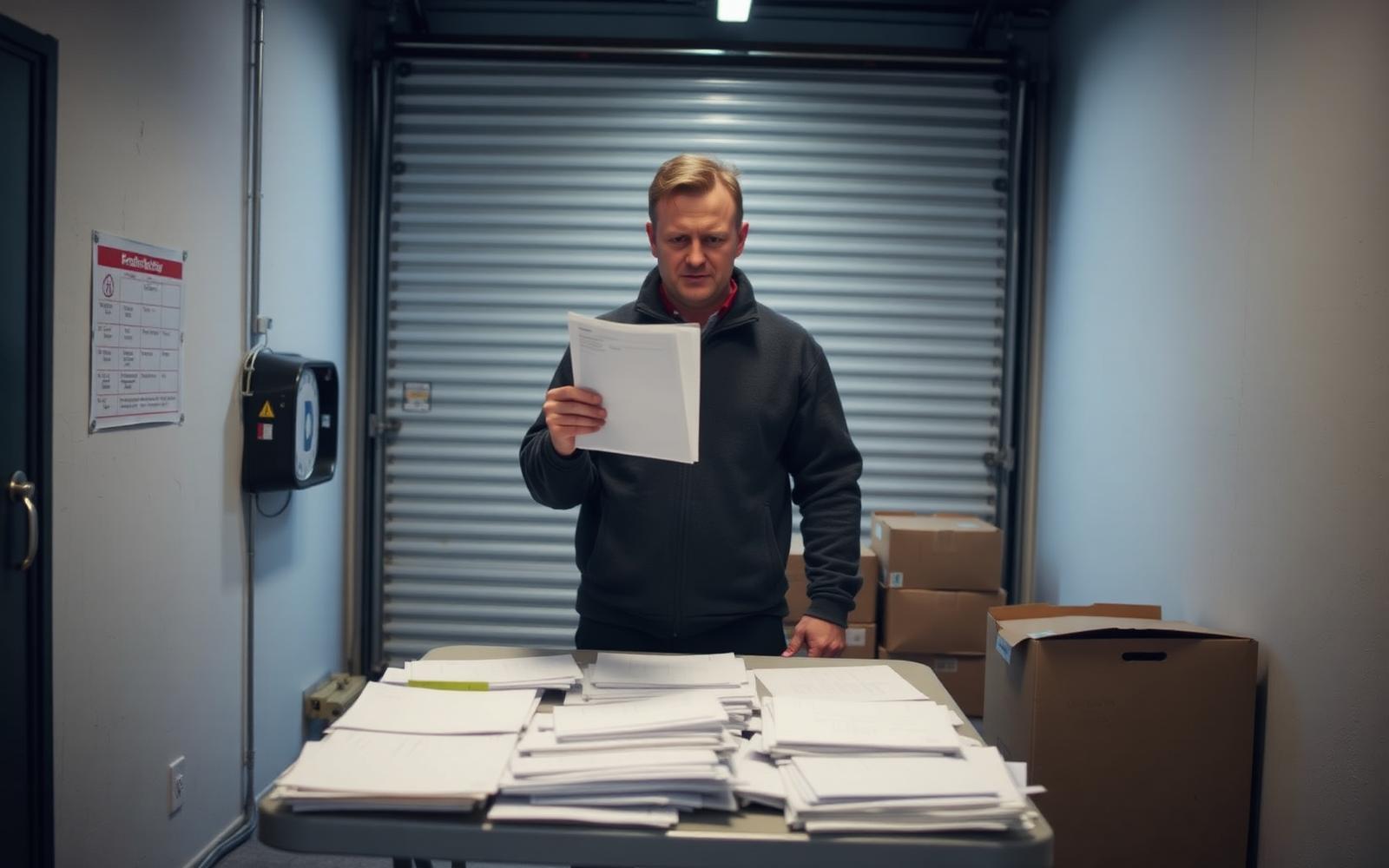
Those need different responses, and most people only ever apply one.
There is usually one specific thing. It is rarely the market.
What you'll look at
A note from Mark

I have started things that worked and things that did not. Some of the ones that did not were badly judged. Some of them were reasonable decisions that met a market or a moment that had moved.
I do not think every failure needs to become an inspirational story. Some of them were expensive and I would rather have the money and the year back.
What I do find useful is separating the decision from the result. If you judge yourself on outcomes, you will learn the wrong lesson roughly half the time. You will also become cautious about things that were never the problem.
The other half of that is being honest about the thing you actually got wrong. Usually there is one. It tends to be specific and slightly embarrassing, and people would rather blame the market, which is comfortable and teaches you nothing.
What you'll get
01
The objective
02
What was known
03
Decision or outcome
04
The specific error
+
Your TAIU handover: a summary of what the conversation found, written so you can take it with you.
When you finish
Your tree is where TAIU keeps a picture of your whole life, in parts like work, money and health.
This session works on the whole of you, not one part of your life. Nothing is scored. At the end, you are asked once which part of your life this touched most. You can answer none.
The conversation writes this summary for you. Keep the sheet, print it or paste it into My Tree. Nothing from the conversation is stored by TAIU.
What now?
01 · Save it
The objective, plainly stated.
02 · Test it
Write the sequence out, with dates, before you interpret any of it.
What I would do
Write the sequence before writing the verdict.
Judge each decision against what you knew then.
Name the specific thing you got wrong rather than blaming everything.
Be equally strict about what was not yours.
Turn the finding into a rule for next time, not a regret.
Test it
What did you know at the point you decided?
Would the same decision have been reasonable then?
What specifically did you get wrong?
The alternative
There are two ways this usually goes wrong, and they look nothing like each other. The result was bad while the decision was entirely reasonable given what you knew, and you are punishing yourself for information you did not have. Or the circumstances are being asked to carry more blame than they deserve, and there is a specific thing you got wrong that keeps being described in general terms.
Think about this
Take this to Ask Mark
This looks at what you found and helps you understand it. It is not another exercise to repeat.
Take this to Ask Mark →TRY · 12 MIN
TAIU
What happened, what was decided and what was only visible afterwards.
READ · BOOK
Amy Edmondson
Separates preventable failure, complex failure and genuinely exploratory failure, and shows why each warrants a different response. The categories are cleaner in hindsight than in the moment, which is worth remembering while reading.
READ · RESEARCH
Sim Sitkin
Argues that small, survivable failures teach far more than large ones. Written about organisations, but the point about scale and recoverability holds for anybody deciding what to try next.
What helped you?
If you've read, watched, listened to or tried something that helped you think about this differently, we'd like to hear about it.
We review recommendations before sharing them with the community.
Finished the exercise?
Tell us whether it helped and what you discovered. It takes less than a minute.
Further thinking
How to Decide
Annie Duke
Learning Through Failure: The Strategy of Small Losses
Sim Sitkin
Right Kind of Wrong
Amy Edmondson
Book
Annie Duke
Former professional poker player Annie Duke has spent years studying decisions under uncertainty. One of her most useful ideas is simple: don't judge the quality of a decision solely by what happened afterwards. A strong decision can produce a bad result. A weak decision can get lucky.
Article
Sim Sitkin
Argues that small, survivable failures teach far more than large ones. Written about organisations, but the point about scale and recoverability holds for anybody deciding what to try next.
Book
Amy Edmondson
Separates preventable failure, complex failure and genuinely exploratory failure, and shows why each warrants a different response. The categories are cleaner in hindsight than in the moment, which is worth remembering while reading.